

Gaming and Education, Can Video Games Be Powerful Learning Tools
 316
316
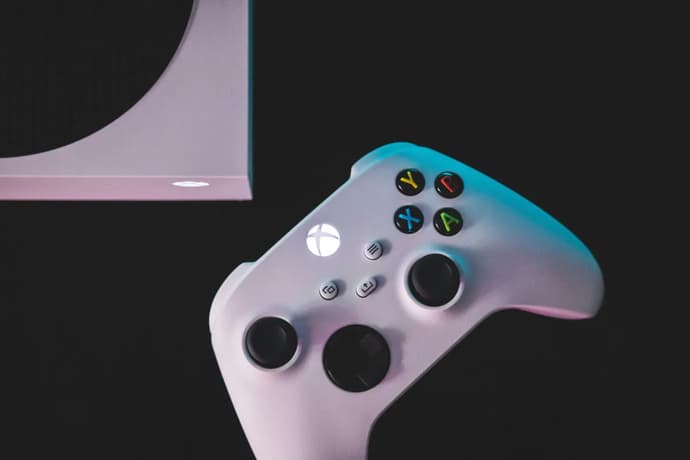
For a long time, video games were seen as mere distractions, often blamed for slipping grades and wasted hours. Parents fretted that gaming would divert their kids from reading and studying, while teachers viewed it as a rival for their students' attention. However, the educational landscape is starting to change its tune. Nowadays, video games are evolving beyond just entertainment; they’re emerging as powerful tools for learning, critical thinking, and creativity.
This shift in perception has been fueled by research, innovation, and a growing understanding that learning can take place in various environments. When crafted with intention, games can teach strategy, enhance focus, and help players hone problem-solving skills that are applicable in real life. Whether it’s a logic puzzle that tests your wits or a simulation that sharpens decision-making, games can develop the mind in ways that traditional classrooms sometimes struggle to achieve.
Even platforms that primarily focus on entertainment, like slots-o-rama.com, illustrate how technology can blend engagement, pattern recognition, and strategy to create a learning experience that doesn’t feel like one. The immersive design, reward systems, and interactivity that make gaming fun are the same elements educators are now leveraging to make lessons more effective and engaging.
Learning Through Play
The idea of learning through play isn’t exactly groundbreaking, but video games have definitely given it a fresh spin. They motivate players to try things out, stumble a bit, and then give it another shot. This whole trial-and-error thing really helps build resilience and persistence. Unlike traditional tests or essays, games provide instant feedback, allowing players to quickly grasp what works and what doesn’t.
Take Minecraft, for example—students can create entire virtual worlds, team up with others, and dive into lessons on architecture, physics, and design. Then there are strategy games like Civilization, which offer insights into history, resource management, and diplomacy. Even those fast-paced action games can sharpen reaction times and improve multitasking skills. Every challenge, every level, and every mission serves as a hidden lesson, teaching valuable skills like patience, focus, and adaptability.
The Psychology Behind Gaming and Learning
What really makes gaming such a powerful tool for learning is its knack for sparking motivation. Games are designed with reward systems that push players to progress and stick with it. Achievements, scores, and levels light up the brain’s dopamine pathways, giving players that satisfying feeling of accomplishment. This kind of internal drive is what keeps players eager to learn, even when things get tough.
Educational researchers have discovered that students who engage in interactive experiences tend to remember information much longer. Games encourage active learning instead of just sitting back and listening. When players make choices and deal with the outcomes, they connect with the material on a much deeper level. That’s why serious games and simulations are increasingly being integrated into medical training, engineering courses, and business schools.
Building Real-World Skills
When we look beyond just academics, gaming actually helps develop some pretty essential real-world skills. For instance, multiplayer games are fantastic for teaching communication, leadership, and teamwork. On the other hand, puzzle and adventure games really hone those problem-solving skills, while strategy games are all about strengthening long-term planning. Many young gamers might not even realize it, but they’re picking up project management skills as they coordinate with their teammates, keep track of progress, and work towards shared goals.
Games can also be a great way to learn about emotional intelligence. Story-driven games often place players in morally tricky situations where their choices can lead to different outcomes. This kind of gameplay fosters empathy, ethical reasoning, and self-awareness. These experiences go way beyond just memorizing facts; they really teach players to see things from different perspectives and understand others better.
Overcoming Stigma and Misconceptions
Despite the growing evidence, there’s still a fair amount of skepticism about using gaming in education. Some folks are concerned about screen time or worry that the fun of games might take away from actual learning. But the real trick is finding the right balance. Educators stress that games shouldn’t replace traditional learning methods; instead, they should enhance them. Just like students read, write, and experiment, gaming can add another exciting layer to their learning experience.
These days, developers and teachers are teaming up more than ever to craft educational games that are not just entertaining but also focused on real learning goals. Subjects like math, language, and science can be taught through gameplay that makes those tricky concepts much easier to understand. When students are having fun while they learn, those lessons tend to stick with them for a lot longer.
The Role of Technology in Education’s Future
Despite the growing evidence, there’s still a fair amount of skepticism about using gaming in education. Some folks are concerned about screen time or worry that the fun of games might take away from actual learning. But the real trick is finding the right balance. Educators stress that games shouldn’t replace traditional learning methods; instead, they should enhance them. Just like students read, write, and experiment, gaming can add another exciting layer to their learning experience.
These days, developers and teachers are teaming up more than ever to craft educational games that are not just entertaining but also focused on real learning goals. Subjects like math, language, and science can be taught through gameplay that makes those tricky concepts much easier to understand. When students are having fun while they learn, those lessons tend to stick with them for a lot longer.
Final Thoughts
Video games have shown us that they’re much more than just a way to pass the time. They create interactive worlds brimming with opportunities, challenges, and discoveries. When approached with care, they can spark learning, develop skills, and fuel curiosity in ways that traditional methods often fall short.
The future of education isn’t about picking between books and screens; it’s about blending both to craft well-rounded, meaningful learning experiences. Whether it’s constructing a virtual city, cracking a puzzle, or diving into a historical event, gaming fosters persistence, creativity, and teamwork.
Education is on the move, and gaming is at the heart of this exciting change. The same captivating elements that keep players glued to their screens for hours can now motivate them to learn, grow, and think critically. In the coming years, video games will keep influencing how we learn, making education not just smarter but also a lot more thrilling.

Kateryna Prykhodko jest kreatywną autorką i niezawodnym współpracownikiem EGamersWorld, znanym z angażujących treści i dbałości o szczegóły. Łączy opowiadanie historii z jasną i przemyślaną komunikacją, odgrywając dużą rolę zarówno w pracy redakcyjnej platformy, jak i zakulisowych interakcjach.

 Wyniki rankingu VRS i lista drużyn na IEM Cologne Major 2026Drużyny IEM Cologne Major 2026 ujawnione: Historyczna passa NAVI trwa, FaZe pominięte, a nowe drużyny jak SINNERS i THUNDERdOWNUNDER debiutują.
 fauesde
 Wszystkie unikalne bronie Karmazynowej Pustyni: Statystyki, lokalizacje i uwagi dotyczące tworzeniaCrimson Desert rozpoczyna się z pełnym zestawem unikalnych broni ukrytych w całym Pywel - oto gdzie znaleźć każdą z nich.
 vitaliiD
 Roblox Zbuduj Zoo Kody kwiecień 2026Odkryj wszystkie działające kody do gry Roblox Build a Zoo - wymień je na klejnoty, szczęśliwe bilety i darmowe nagrody.
 Dima Ostapchuk
 Najlepsze tarcze Crimson Desert - lista rankingowa i jak zdobyć sprzęt poziomu SKompletny przewodnik po najlepszych tarczach w Crimson Desert. Porównaj podstawowe statystyki, poznaj unikalne premie i dowiedz się, gdzie zdobyć najlepszy sprzęt obronny dla swojej postaci.
 Chillplay